 Free and Next Day Delivery*
 Up to 10 Year Warranty
 Installation Available
 Instant Credit - Apply
What Is Ergonomic Office Furniture?

Ergonomic office furniture is designed to adapt to the needs of the user. Unlike standard furniture, it prioritises physical well-being, supporting the body’s natural posture and movement to reduce the strain that often leads to workplace-related injuries like back pain, neck tension, and repetitive strain.
Hybrid working has reshaped how we use office spaces, emphasising the need for designs that support well-being and efficiency. In this guide, we will take you through exactly what makes a piece of office furniture ergonomic, and what to look out for when purchasing for your workplace.
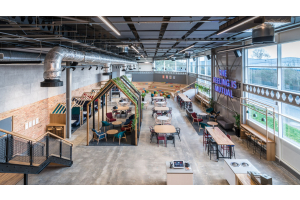
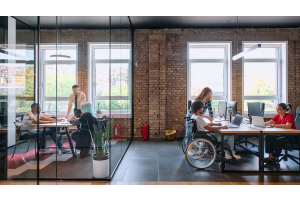
Photo: Wagstaff fit-out and furniture installation - Charles Stanley
Some Examples of Ergonomic Furniture
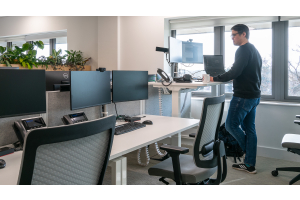
Common types of ergonomic furniture include adjustable chairs with lumbar support to encourage proper spinal alignment, sit-stand desks that allow seamless shifts between sitting and standing, and monitor arms that position screens at eye level to minimise neck strain.
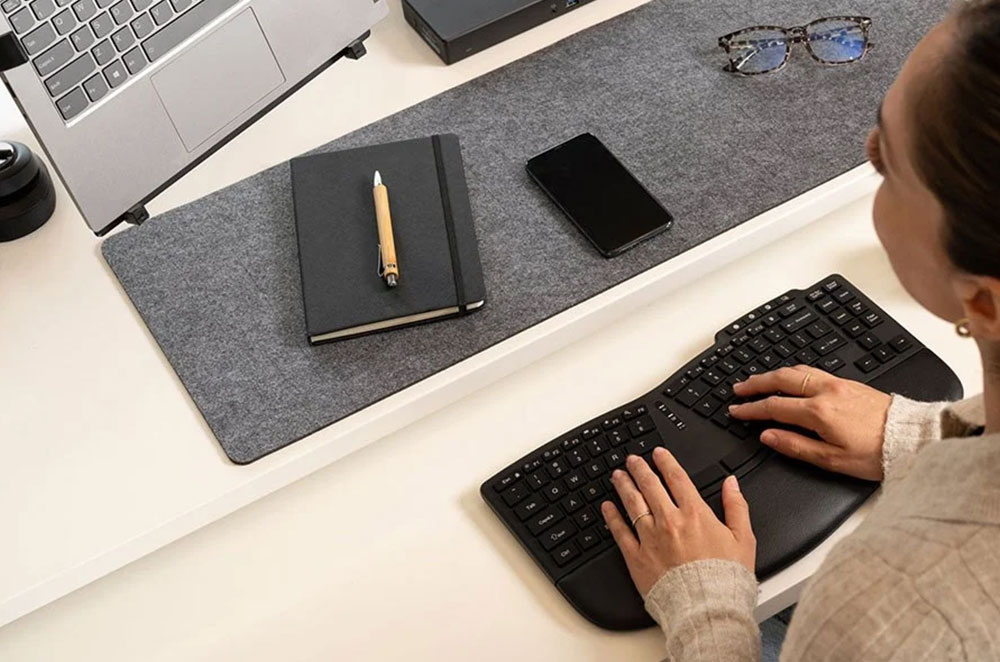

Ergonomic keyboards and wrist supports also help prevent issues like carpal tunnel syndrome by aligning wrists and hands during typing.
What Makes Furniture Truly Ergonomic?
Adjustability
The hallmark of ergonomic design is its ability to adjust. Chairs with height controls and adjustable backrests ensure users maintain proper posture, regardless of their desk height. Sit-stand desks allow seamless transitions between sitting and standing, accommodating a variety of work styles and reducing sedentary time. Adjustable monitor arms position screens at eye level, minimising neck strain and promoting a natural head posture.
Support
Proper support is crucial for preventing discomfort and long-term health issues. Ergonomic chairs feature lumbar support that aligns the spine’s natural curve, reducing the risk of lower back pain, while armrests designed with adjustable height and width ensure shoulders remain relaxed and elbows are at a comfortable angle.
Comfort
Breathable fabrics keep users cool during extended work periods, while pressure-relieving cushions reduce fatigue. High-quality finishes enhance tactile comfort, contributing to an overall sense of ease.
Mobility and Flexibility
Ergonomic furniture supports dynamic working environments. Swivel chairs and wheeled bases encourage movement, preventing stiffness from prolonged sitting, while lightweight, mobile desks and modular furniture allow spaces to be reconfigured to suit changing needs.
The Science Behind Ergonomic Design
The science is rooted in biomechanics and human physiology. It considers how the body moves and how prolonged static positions can cause discomfort or even injury. By enabling users to customise their furniture to suit their height, posture, and work habits, ergonomic furniture creates an environment where physical strain is minimised, and productivity is maximised.
Three Benefits of Ergonomic Furniture
1. Health
Ergonomic furniture is a proactive solution to common workplace ailments. Adjustable chairs with lumbar support alleviate back pain, a leading cause of discomfort and absenteeism. Sit-stand desks promote movement, reducing the risks associated with prolonged sitting, such as poor circulation and muscle stiffness. For employees, these designs improve posture and energy levels, contributing to a healthier and more active workforce.
2. Productivity
Comfortable employees are more focused and motivated. Ergonomic workstations help minimise distractions caused by physical discomfort, allowing individuals to concentrate better on their tasks. Plus, reducing repetitive strain and discomfort can lead to fewer errors and greater efficiency.
3. Cost-Effectiveness
Fewer workplace injuries mean reduced healthcare claims and insurance costs – and decreased absenteeism due to discomfort or strain-related issues further bolsters these savings. Employers also benefit from improved staff retention, as employees are more likely to stay in an environment that prioritises their well-being.
Choosing the Right Ergonomic Furniture
Assess Workplace Needs
Start by evaluating the unique requirements of your space. Consider the tasks employees perform, the layout of the office, and any existing pain points, such as discomfort from prolonged sitting or inefficient workstation setups.
Consider the Demographics of Users
Ergonomic furniture must cater to the diversity of its users. Employees vary in height, mobility, and posture needs. Choose furniture with adjustability features to accommodate these differences, ensuring everyone can customise their setup for optimal comfort.
Test Before You Buy
Testing furniture is vital. A chair or desk might appear suitable on paper, but practical use can reveal unexpected limitations. Encourage employees to try various options to determine what works best.
Think About Scalability
As workplace needs evolve, ergonomic furniture should adapt seamlessly. Modular desks, adjustable seating, and mobile workstations ensure flexibility for hybrid working models or team expansions.
Some Prime Examples from Wagstaff
Each piece offers an inspiring way to reimagine what a workplace can be, showing that thoughtful design can transform how, and where, we work.
The Orion Single Monitor Arm is a remarkable addition to any workspace, making it easy to achieve the perfect screen height for long hours of focused work. It installs effortlessly, eliminating the need for complicated setups, and its clever design keeps workstations organised with integrated cable management.
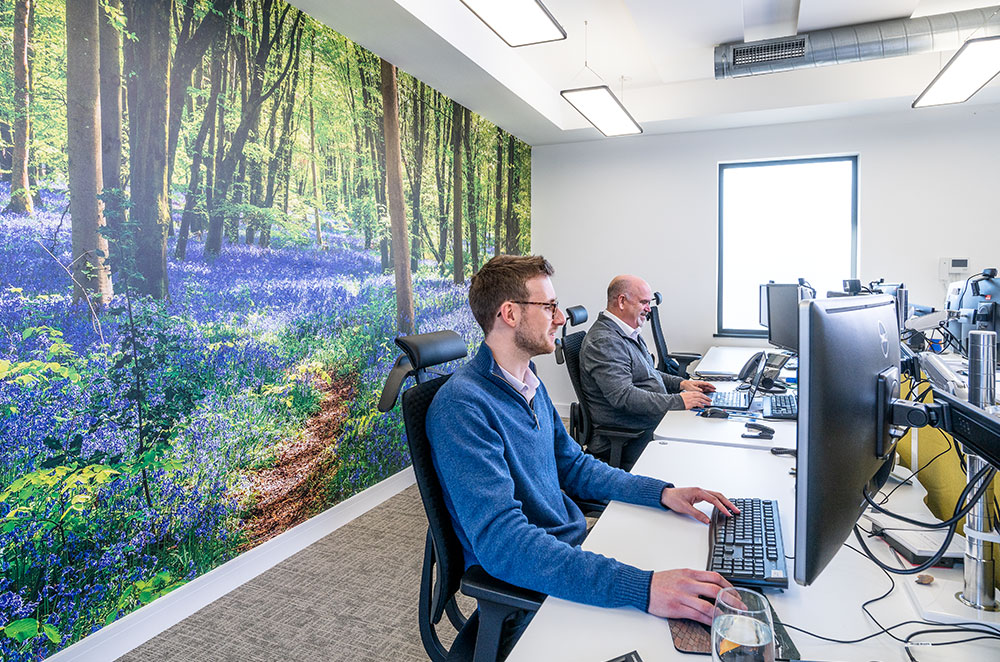
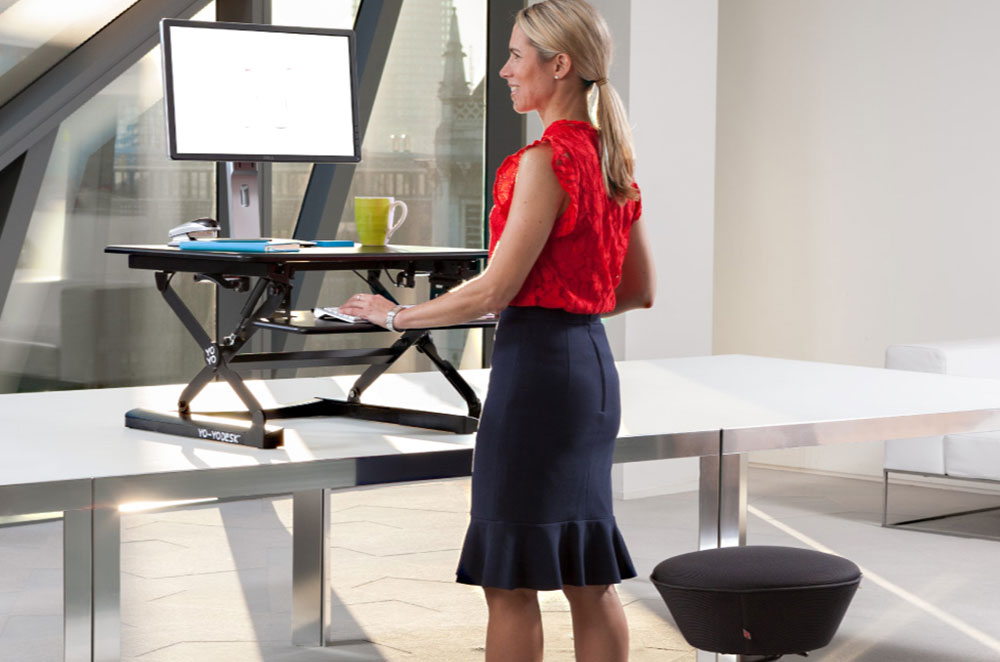
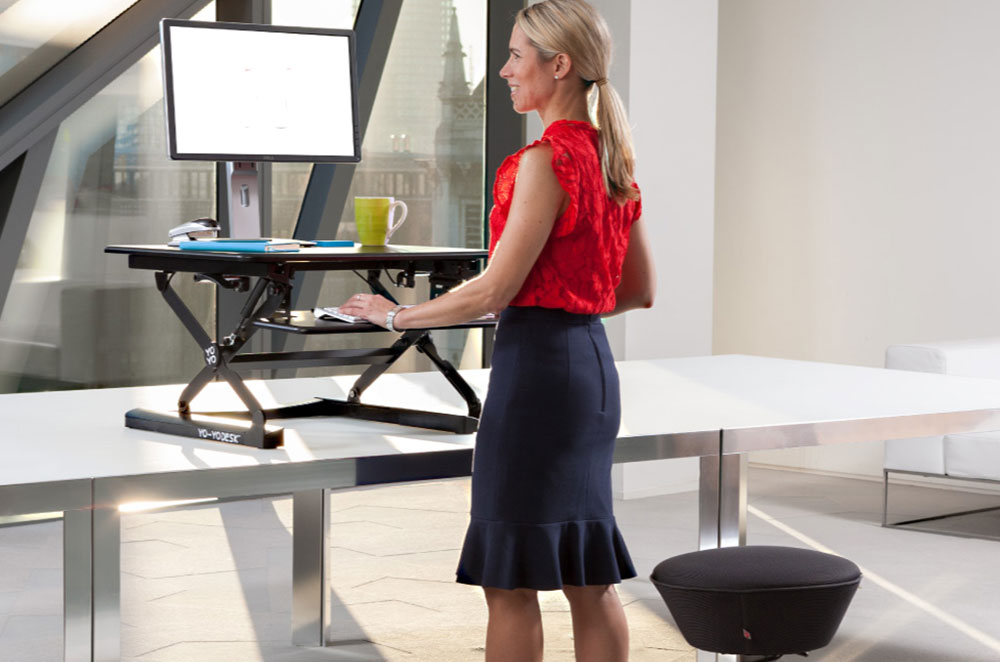
For those embracing the benefits of sit-stand working, the Yo-Yo Desk Mini offers a compact yet highly effective solution. With its smooth height adjustment, it allows users to switch between sitting and standing in seconds, promoting movement and reducing the risks associated with prolonged sitting. This desk is ideal for smaller workstations or home offices.
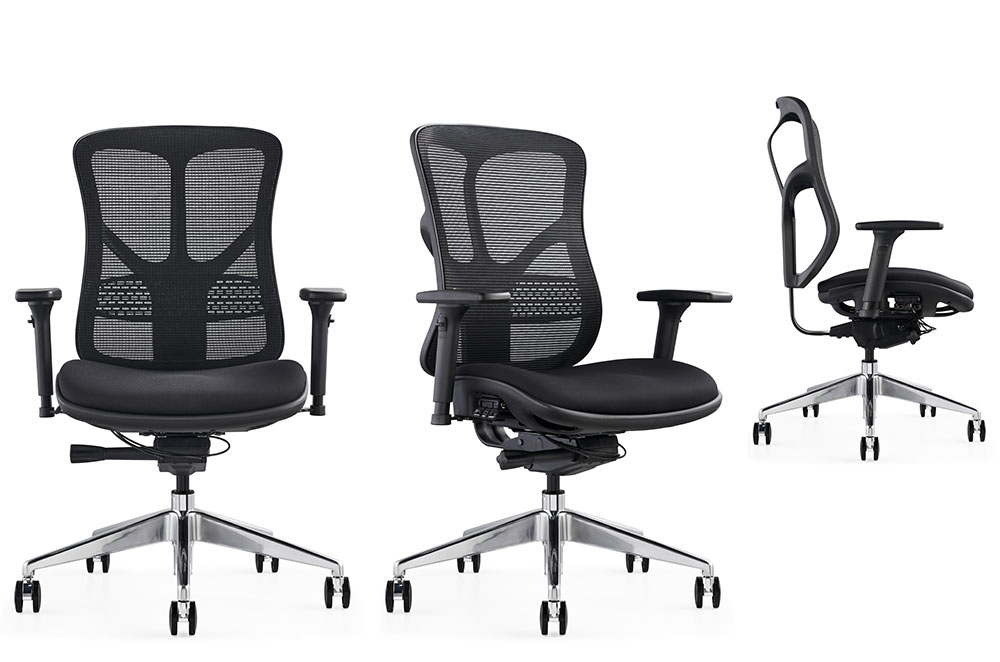
The F94 Ergonomic Mesh and Fabric Chair offers breathable comfort and robust adjustability. It’s designed to meet the demands of fast-paced workplaces, providing the support and flexibility needed for modern working styles.

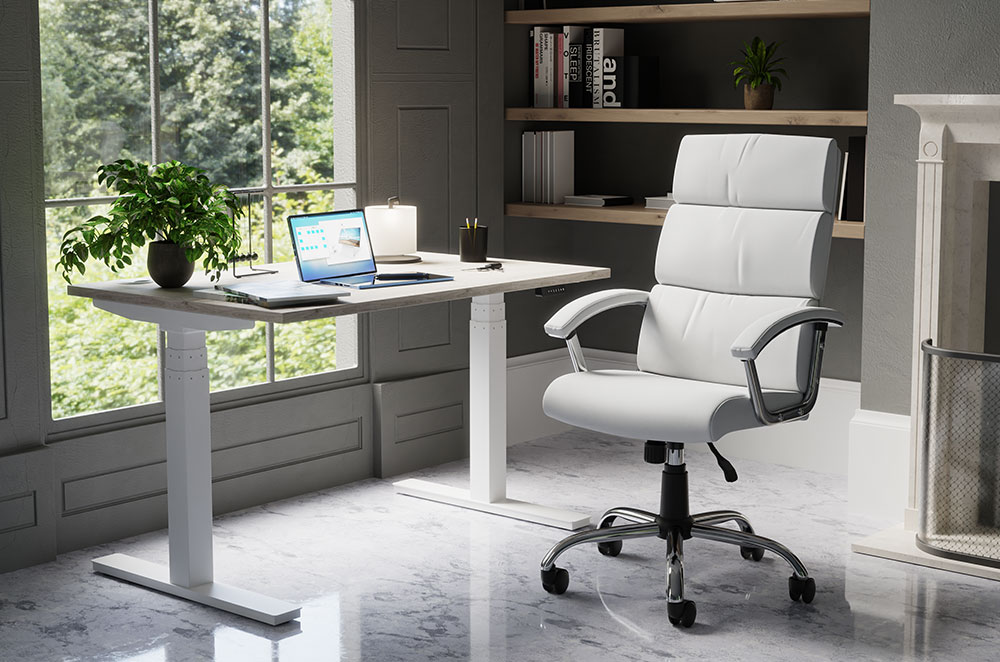
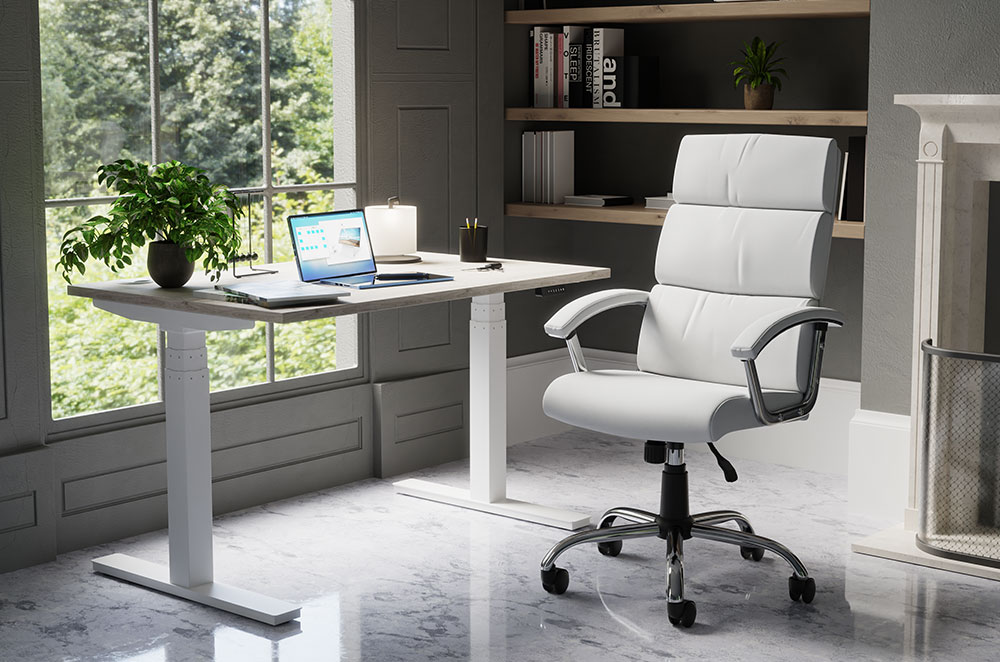
At the touch of a button, the Air 1200mm Height Adjustable Desk (shown below) transitions from sitting to standing, supporting good posture and boosting energy levels. This desk is particularly suited to hybrid workers looking to create a healthier home office setup – and with a generous five year warranty, this setup will be well-protected.
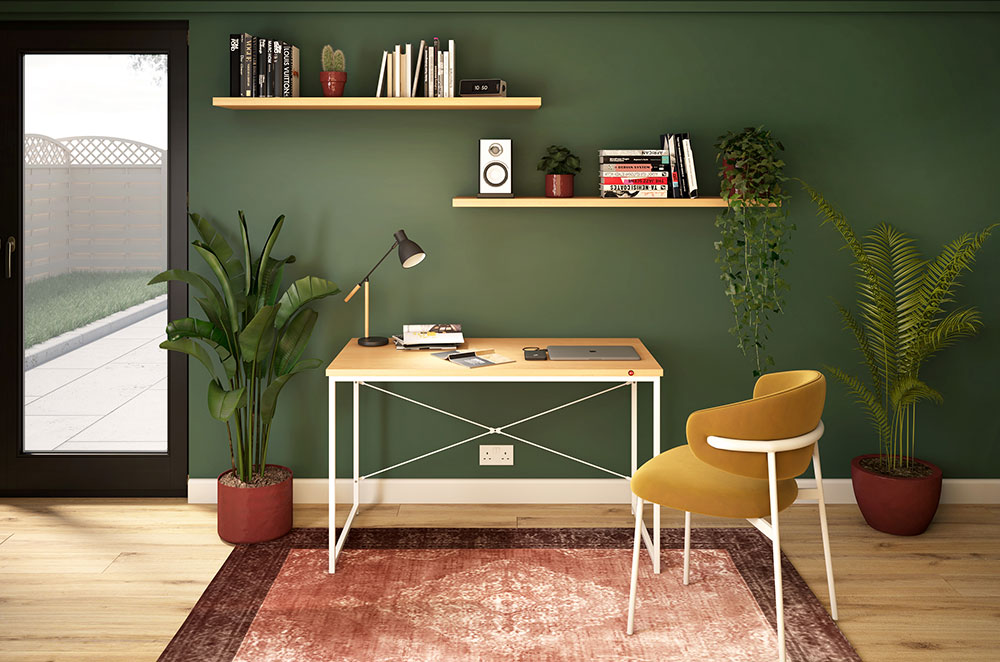
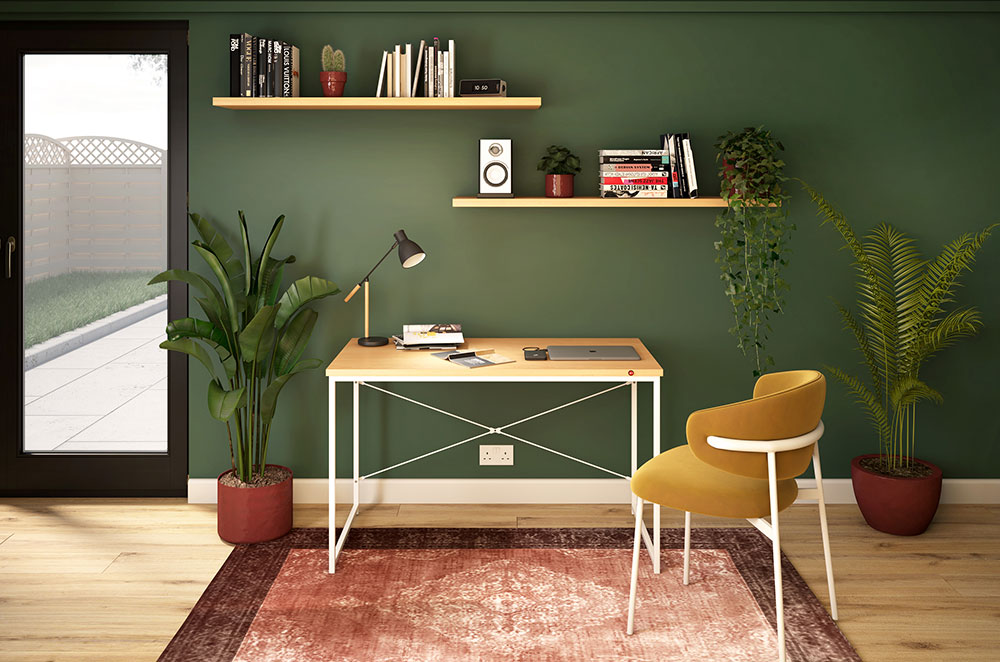
Finally, the innovative Heated Height Adjustable Desk (shown below) takes ergonomic thinking one step further. By combining infrared heating with height adjustability, it provides a warm, personalised workspace without heating the entire room. Ideal for energy-conscious workers, this set-up proves even the smallest details can make a difference.
Have You Conducted a DSE Assessment?
When discussing ergonomic office furniture, it’s essential to consider the importance of Display Screen Equipment (DSE) assessments. Under the Health and Safety (Display Screen Equipment) Regulations 1992, employers are responsible for ensuring that workstations, including desks, chairs, and screens, meet health and safety standards. This includes for working in-office or at home for flexible and remote working. This is vital to reducing risks such as musculoskeletal issues, eye strain, and poor posture.
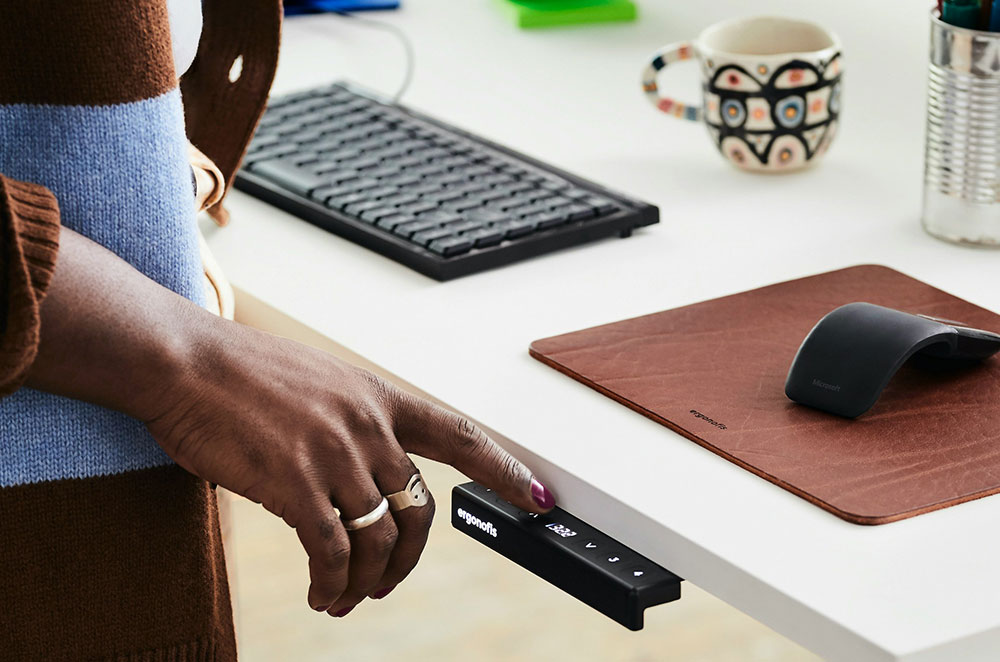
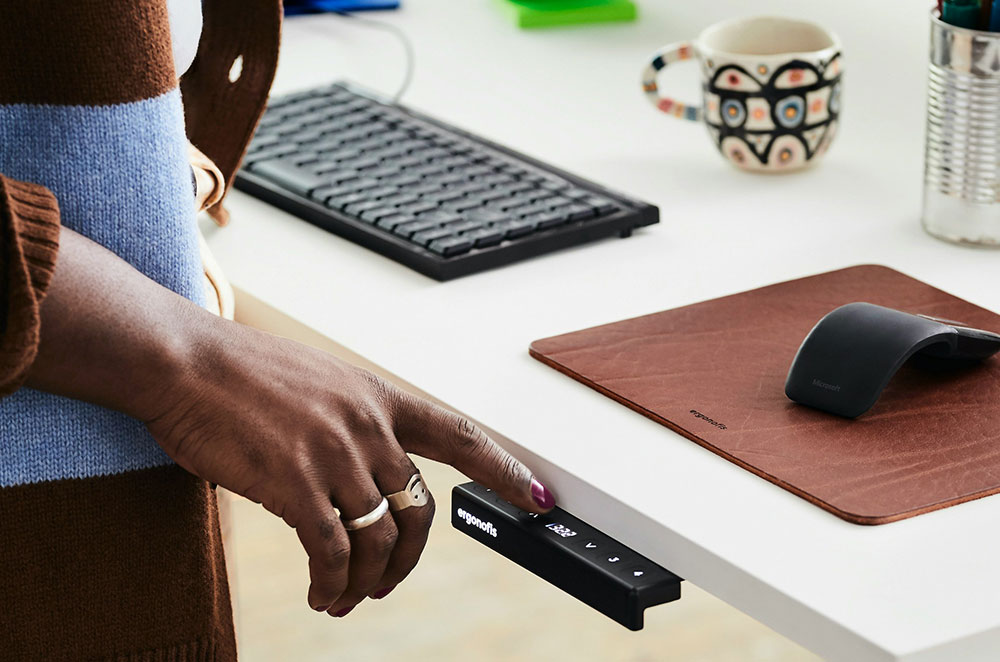
A DSE assessment evaluates whether workstations are ergonomically suitable. It examines factors like screen height, keyboard and mouse placement, seating adjustability, and overall workspace layout. Integrating DSE assessments into your workplace strategy goes hand in hand with investing in ergonomic furniture.
The Future of Work Starts with Ergonomics
Creating a workspace that prioritises health and comfort has a direct impact on productivity and employee well-being.
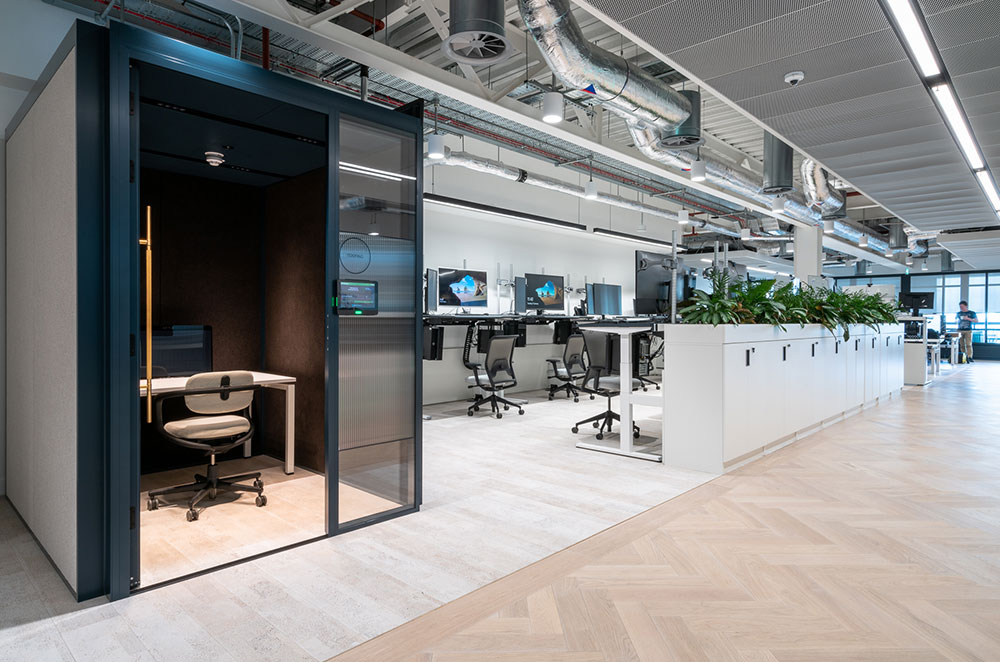
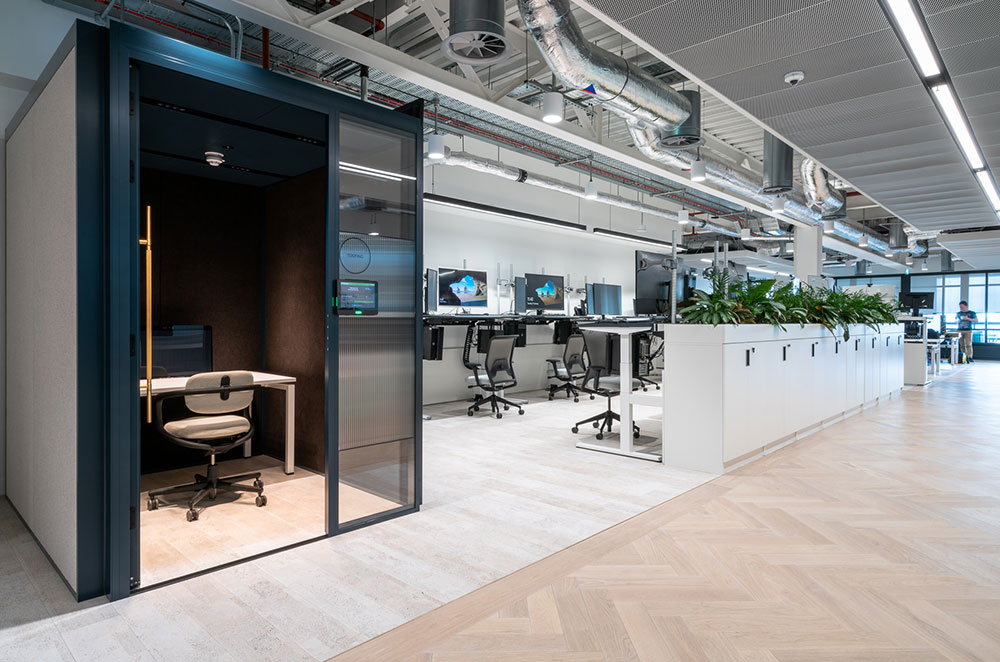
Ergonomic furniture helps reduce physical strain, supports good posture, and encourages movement, making day-to-day work more comfortable and effective. Wagstaff offers a wide range of ergonomic furniture alongside expert consultancy to help businesses create spaces that work for everyone.